
Mapping
We follow a task through every system it passes through.
We connect the systems you already use. Bookings, invoices, receipts, ad data and leads move between the systems without manual steps. Our experience is that this is often where the first time savings can be made.
Some of the companies we have worked with
It suits you when information is copied between systems by hand or when someone pulls together the same material every month.
We first look at which integrations your systems already offer. What can be solved without AI, we solve without AI.
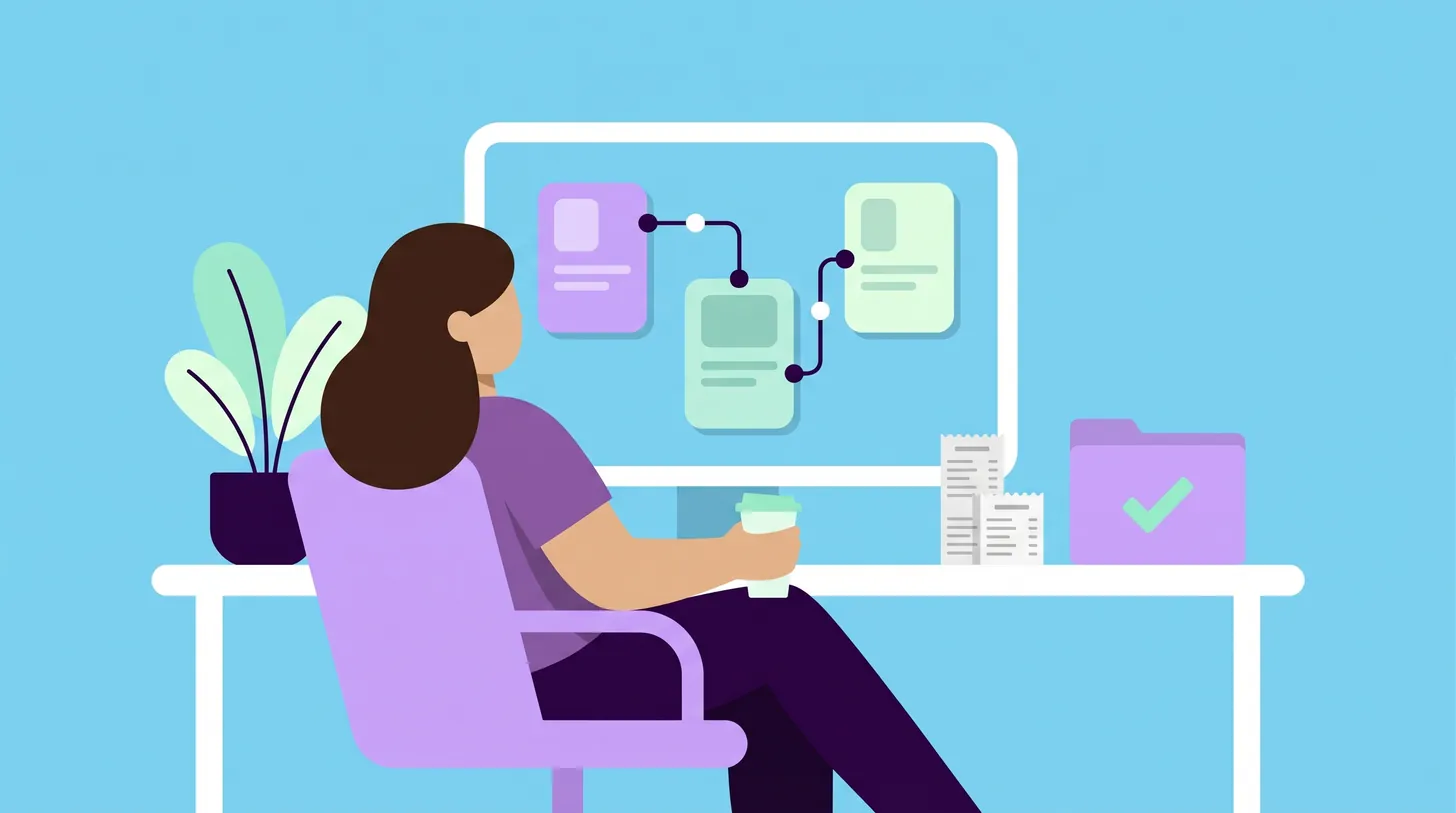
We start with whatever gets typed in by hand most often.
Enquiries go from the form to the CRM and back to Google Ads.
The information is pulled from the systems you already have. That way no one needs to type the same thing in twice.
Receipts are picked out of your email and sorted into the right folder ready for bookkeeping.
Figures from your ad accounts land in spreadsheets and dashboards every day.
Information from open sources is collected automatically and ends up in your lists.
An email goes out when a new enquiry comes in or when a company you want to reach visits your website.
A monitor alerts us when a flow stops.
We follow a task through every system it passes through.
You see what will be connected and what will still be done by hand.
The integrations are built against your own accounts.
The flow runs alongside the old way of working until the information matches.
Monitors alert us when a flow stops and we fix the fault.
We run the same kind of flows in our own company.
Our own receipts, invoices, reports and notifications go through the same kind of flows.
If a fixed rule is enough, we build a fixed rule. AI is used where someone would otherwise have to read and make a judgement.
Everything is built in your name and in your accounts. Everything is also documented.
Here are claims about automation that we often come across.
This is what we often see when companies connect their systems.
When the same piece of information can be changed in two places, the two soon stop matching.
How to avoid it
Decide which system owns each piece of information.
The work is lost when the system is replaced a few months later.
How to avoid it
Go through which systems will remain before anything is built.
A flow that stops delivering is often only noticed when the information is missing.
How to avoid it
Build in monitors that raise an alert when a flow stops.
Integrations that only one person understands are hard for anyone else to take over.
How to avoid it
Build in your own accounts and document everything.

One person through the whole engagement
You have the same contact from the first meeting. That is also the person who does the work, with AI tools and specialists where they are needed.
Read about who does the workMost systems that have an open integration or an export. We have connected training systems, invoicing, ad accounts, spreadsheets and CRM.
An automation follows fixed rules. An agent reads and assesses text and can write drafts. Many companies only need the first.
You do. They are built against your accounts and documented.
The monitor alerts us and we troubleshoot.
Tell us which systems you use and we will go through what can be connected. Free for 79 more days. Valued at 15 500 SEK.
Get an auditTasks and routines are moved over to your own agents.
Read more →Admin portals, customer portals and e-learning that sync with the systems you already use.
Read more →Tracking you can trust and dashboards that show you the same numbers as they show us.
Read more →